Vintage Linens: How to Care for and Display Old Tablecloths
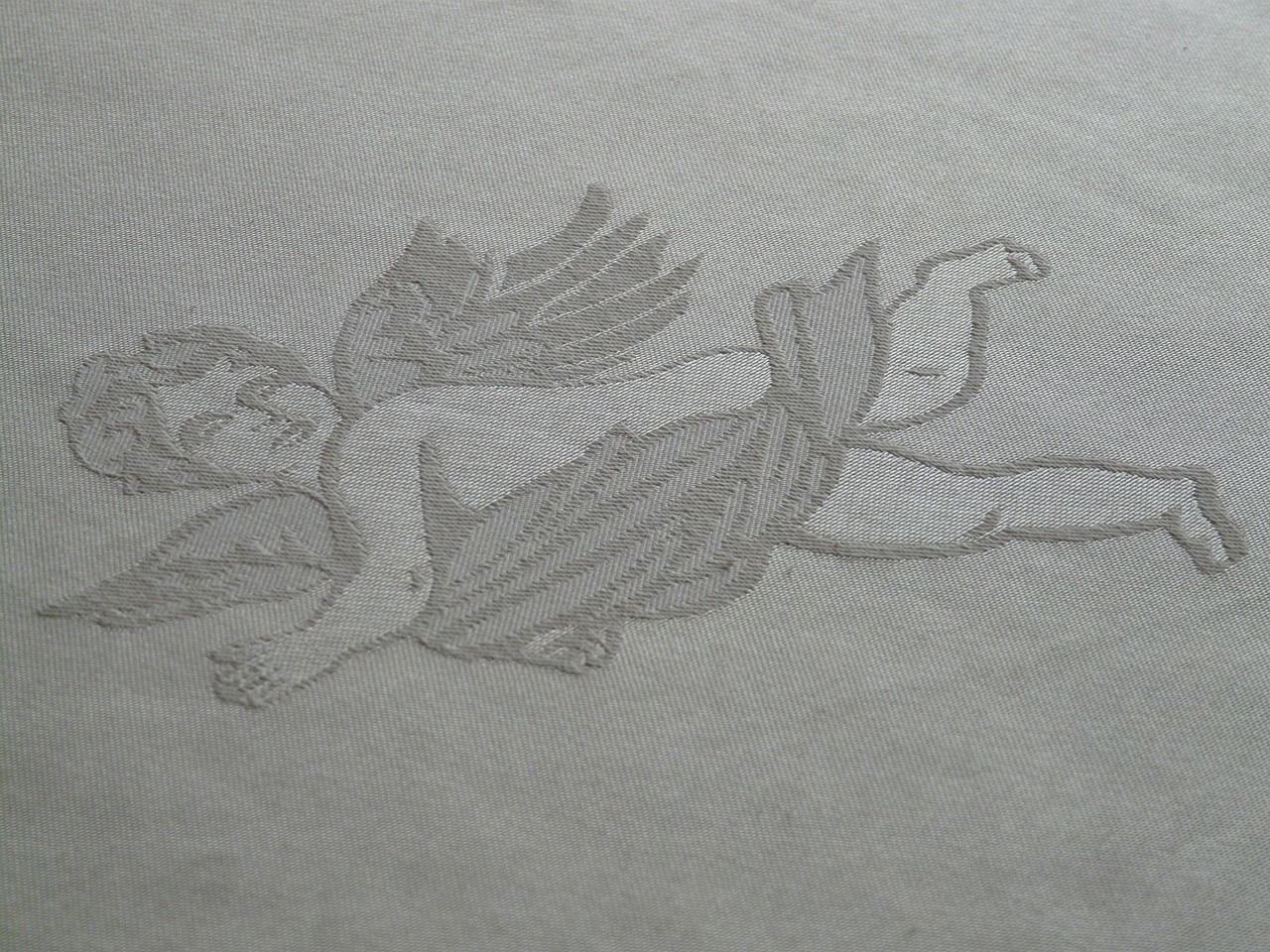
There is a particular joy in finding a stack of old tablecloths at a flea market or in the back of a grandmother's cupboard. The colors may be faded, the edges a little worn, but the stories they hold are worth preserving. Vintage linens, whether embroidered, lace-trimmed, or printed with cheerful flowers, bring instant warmth to a cottage table. The trick is knowing how to care for them without causing further damage, and then how to display them so their beauty can be seen rather than hidden away.
Gentle Washing and Stain Removal
Before you wash any vintage linen, examine it for loose threads, holes, or fragile areas. If the fabric feels stiff or brittle, handle it as little as possible. For most pieces, a gentle hand wash is safest. Fill a basin with cool water and a small amount of mild detergent or a pinch of oxygen bleach. Let the linen soak for fifteen to thirty minutes. Do not wring or scrub. Instead, gently press the water through the fabric with your hands. Rinse with cool water until the water runs clear.
For stubborn stains, like old tea or fruit juice, you can try a paste of baking soda and water applied with a soft cloth. Let it sit for a few minutes, then rinse. Avoid chlorine bleach, which can yellow old fibers. If the linen has yellowed with age, a long soak in a mixture of water and oxygen bleach can often brighten it without harshness. Always air dry flat on a clean towel, away from direct sunlight, which can fade colors further.
Repairs, Folding, and Display Ideas
Small holes and thin spots can be mended with a few simple stitches. Use thread that matches the original color, and do not worry about making the repair invisible. A visible mend, like a tiny patch or a row of running stitches, adds to the charm and tells the story of the cloth's long life. If the edges are frayed, you can trim them neatly and sew a narrow hem, or leave them as they are for a rustic look.
When storing linens, avoid plastic bags, which can trap moisture and cause mildew. Instead, wrap them in acid-free tissue paper or clean cotton sheets, and store them flat in a cool, dry place. If you want to display them, there are many lovely options. Drape a large tablecloth over a wooden table and top it with a simple vase of wildflowers. Fold a smaller cloth and use it as a runner on a dresser or sideboard. You can also hang a particularly beautiful piece on a wall using a wooden dowel and twine, like a tapestry. For everyday use, do not be afraid to actually use your linens. A little wear and tear is just another layer of history.