Slow Mornings: Setting a Cozy Cottage Breakfast Nook
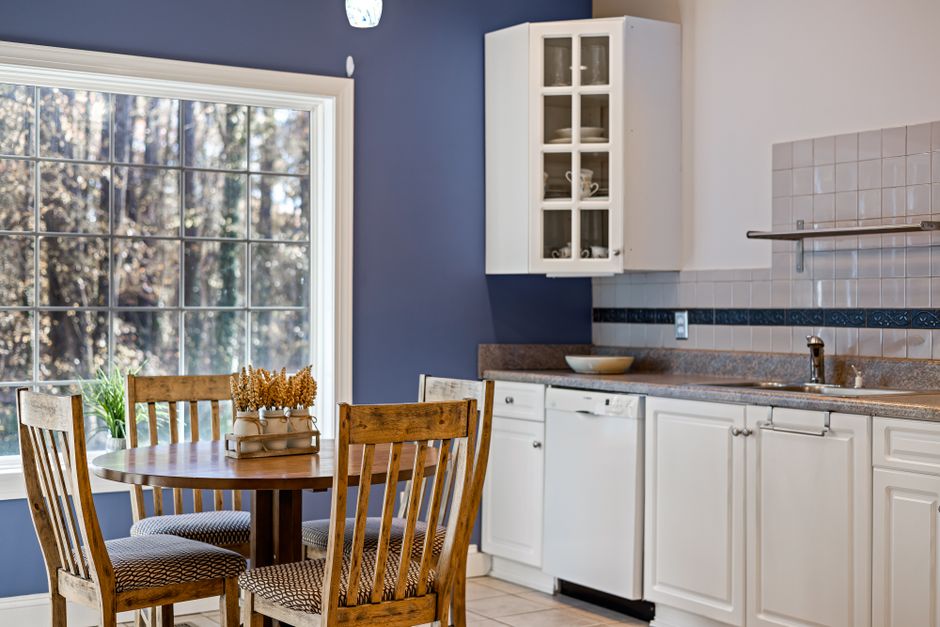
There is a particular kind of magic in a breakfast nook. It is not the dining room, with its formal chairs and holiday china, and it is not the kitchen counter, where crumbs and hurried coffee tend to live. A nook is something in between: a small, soft-edged pocket of the house that seems to say, sit down, stay a while, the day can wait a few more minutes. I built mine in a corner that used to collect cookbooks and dust, and it has quietly become my favorite place in the whole cottage.
The first thing to consider is the bench. A built-in is lovely if you have the carpentry skills or a patient friend, but a simple wooden bench with a cushion works just as well. I sewed a long cushion from a faded floral sheet and stuffed it with foam cut to size, then added three mismatched pillows in cream, sage, and a soft dusty rose. Mismatched is the point. A nook should look gathered rather than purchased, as though each piece wandered in from another room and decided to stay.
Light, Linens, and the Art of the Lingering Table
Light does most of the decorating for you. If your nook has a window, keep the curtains sheer and let the morning in. I hung a pair of lace panels I found at a flea market for a few dollars, and when the sun comes through them it throws little patterns across the table that change with the seasons. In winter I add a small lamp with a warm bulb, because gray mornings need a bit of coaxing.
The table itself should be small enough that two people feel close and large enough for a teapot, a plate of scones, and a jar of jam. Mine is a round pine table I painted in a soft buttermilk white and then sanded at the edges until the wood peeked through. On top sits a vintage enamel pitcher for wildflowers, a chipped teacup that holds spoons, and a linen runner embroidered with tiny strawberries by someone's grandmother, possibly mine.
What makes a nook feel cozy is not the furniture but the ritual. I keep a small basket of cloth napkins, a tin of loose tea, and a stack of well-worn poetry books within arm's reach. On slow mornings I make scones, set the table properly even if I am alone, and eat without a screen in sight. It sounds precious until you try it; then it just sounds like sanity.
Small Touches That Make It Yours
Layer in texture wherever you can. A crocheted blanket over the back of the bench, a woven rug beneath your feet, a row of hooks on the wall holding aprons and a straw hat. Add something living, even if it is just a pot of ivy that refuses to die. And leave room for the seasons: a bowl of apples in autumn, paper whites in January, a jar of daisies in June.
If your space is tiny, do not despair. A nook can be a chair pulled up to a windowsill, a stool at the end of a counter, or a tray table beside an armchair. The size does not matter. What matters is that you claim a corner, soften it with fabric and light, and give yourself permission to sit there doing nothing at all. That, more than any cushion or curtain, is what turns a corner into a nook.