Herb Drying 101: From Garden Bundle to Kitchen Jar
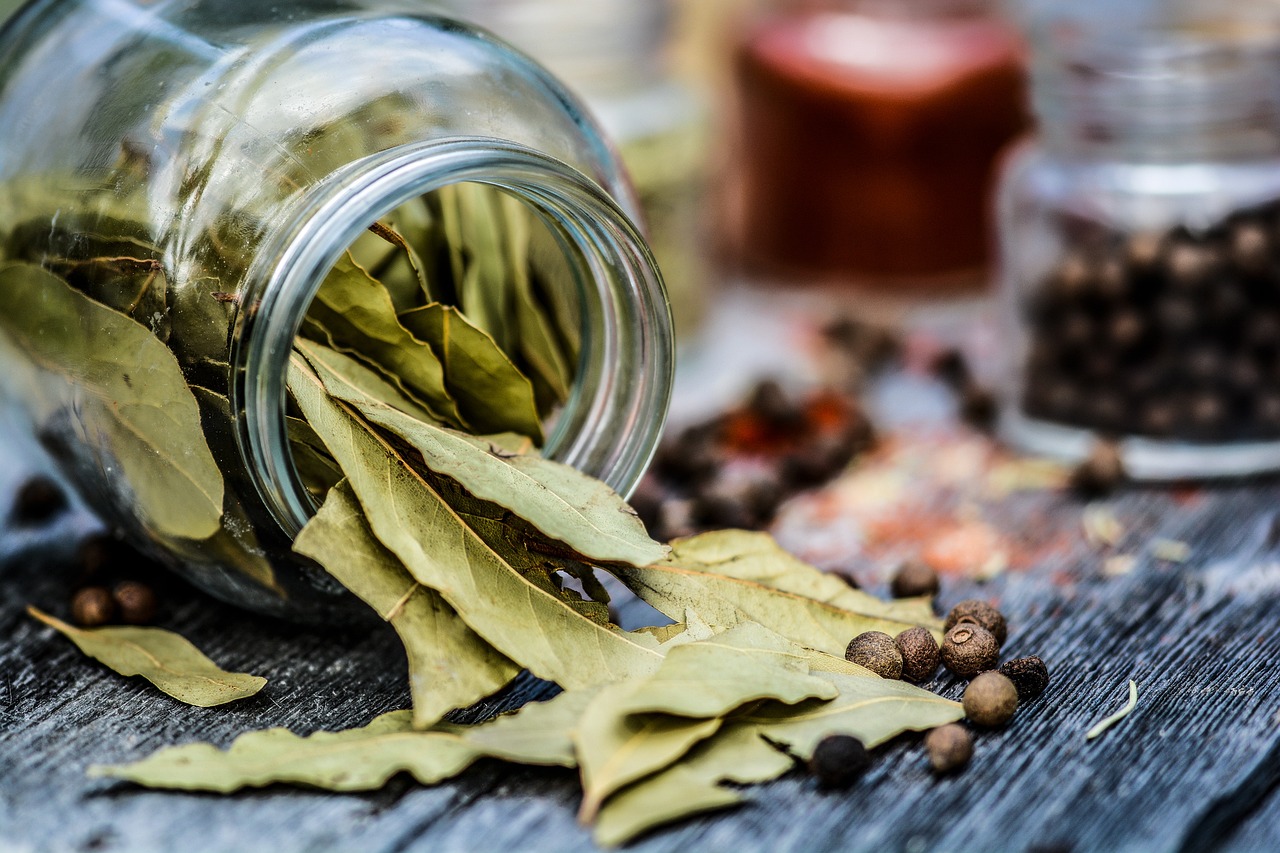
By midsummer my herb patch is always out of control. The mint has escaped its pot, the rosemary has become a small shrub, and the oregano is flopping over the path like it owns the place. This is the moment to start drying, and honestly, it is one of the most satisfying chores of the whole year. You cut, you tie, you hang, and a few weeks later you have little jars of summer lined up on the shelf, ready for soups and stews and gray February afternoons.
Harvest in the morning, after the dew has dried but before the sun gets fierce, when the oils are at their strongest. Use sharp scissors and cut stems rather than individual leaves. Leave a few inches at the base of the plant so it can regrow. Rinse the stems gently in cool water and pat them dry with a towel, or give them a spin in a salad spinner if you have one. Wet herbs will mold, so this step matters more than it seems.
Bundling, Hanging, and the Waiting Game
Gather six to eight stems into a bundle and tie them tightly with kitchen twine, leaving a long tail for hanging. Tie below the lowest leaves so nothing slips out. Hang the bundles upside down in a warm, dry, dark place with good air movement: a pantry, a closet, a corner of the attic, or a hook above the stove if your kitchen is not too steamy. Darkness matters because light fades both color and flavor. A paper bag with holes punched in the sides, slipped over the bundle, keeps dust off and speeds things along.
Most herbs are dry in one to three weeks. You will know they are ready when the leaves crinkle between your fingers and the stems snap rather than bend. Rosemary and thyme take longer than mint and basil. Basil is the fussy one; it browns easily and is often better dried in a low oven or a dehydrator, or simply turned into pesto and frozen. If you are drying seeds, like dill or coriander, hang the heads upside down inside a paper bag and let the seeds fall into the bottom.
Crumpling, Storing, and Cooking
Once dry, strip the leaves from the stems over a bowl or a sheet of parchment. Crumble them with your fingers, leaving them slightly coarse; powdered herbs lose their fragrance faster. Pour them into small glass jars with tight lids, label with the name and the year, and store them away from heat and light. A jar of your own oregano, opened in the middle of winter, smells like a July afternoon, and that is worth every bit of the effort.
Use your herbs generously. Home-dried herbs are often more potent than the dusty ones from the back of the spice drawer, so start small and add more as you taste. I keep a jar of mixed herbs by the stove, whatever needed using up that year, and it has never once been the same blend twice. That is the beauty of a cottage kitchen: nothing is standardized, everything is seasonal, and the shelf slowly fills with the story of your garden.