Hand-Stitched Lavender Sachets: A Simple Afternoon Craft
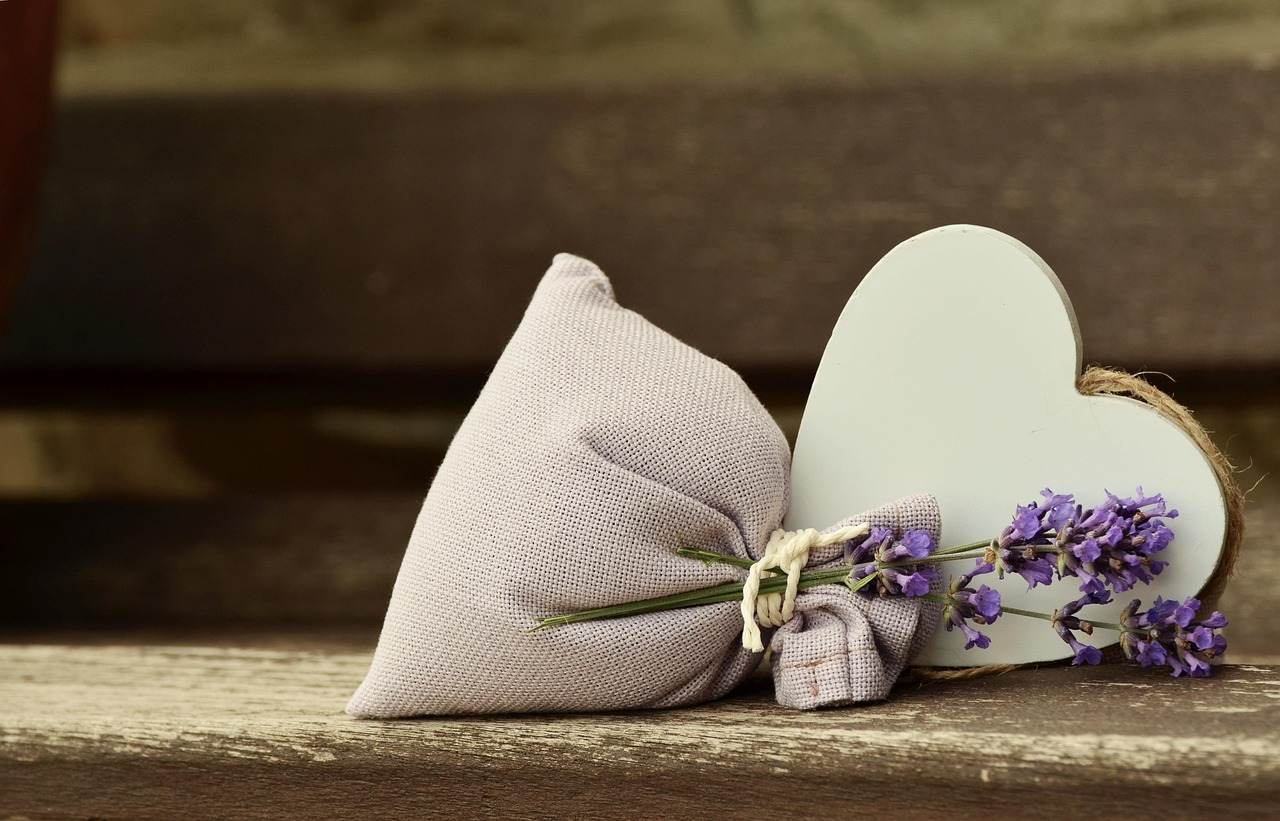
Some crafts ask for precision, expensive tools, and a free weekend. This one asks for a needle, some thread, a scrap of fabric, and a handful of dried lavender. Hand-stitched sachets are one of the oldest and kindest little projects I know. They scent your linens, make thoughtful gifts, and can be finished in the time it takes for a pot of tea to steep. If you have never sewn before, this is a lovely place to start. The stitches do not need to be perfect. In fact, a slightly wobbly seam only adds to the charm.
Gather Your Materials (Mostly from Scraps)
You will need small squares of fabric, about four by four inches. Cotton, linen, and flannel all work beautifully. Old pillowcases, worn shirts, and leftover quilting scraps are perfect. If you want a traditional look, choose soft florals, tiny checks, or muted solids in cream, sage, and dusty rose. You will also need a needle, thread that matches or contrasts, a small amount of dried lavender, and optionally a little dried rice or flaxseed to give the sachet a bit of weight.
If you do not grow your own lavender, you can often find dried buds in the bulk section of a natural grocery store or online. A single cup goes a long way. You can also blend the lavender with dried chamomile, rose petals, or a few drops of essential oil on a cotton ball. Just remember that essential oils can stain fabric, so use them sparingly and let them dry before sewing.
Sewing the Sachet: A Slow and Simple Rhythm
Place two fabric squares right sides together. If you want a loop for hanging, cut a small piece of ribbon or twine, fold it in half, and tuck the ends between the layers at the top edge. Pin the layers together if that helps. Now thread your needle and tie a small knot at the end. Use a simple running stitch, going in and out along the edge, about a quarter inch from the border. Leave a small opening at the bottom, about an inch wide. Backstitch at the beginning and end to secure your work.
Turn the little bag right side out. Use a chopstick or the end of a pencil to gently push out the corners. Now for the best part: spoon in your lavender mixture. Do not overstuff it; you want the sachet to feel soft and slightly squishy. When it is full, turn the raw edges of the opening inward and sew it closed with tiny, invisible stitches. If you prefer, you can sew a small button or a bit of lace over the seam for decoration.
These sachets are wonderful tucked into drawers, hung in closets, or placed in a bowl by the door. They also make sweet gifts for neighbors and friends. As you sew, you may find yourself slipping into a quiet rhythm, the scent of lavender rising with every stitch. That, more than the finished object, is the real reward.