Pressed Flowers and Paper: A Beginner's Guide to Vintage Botanicals
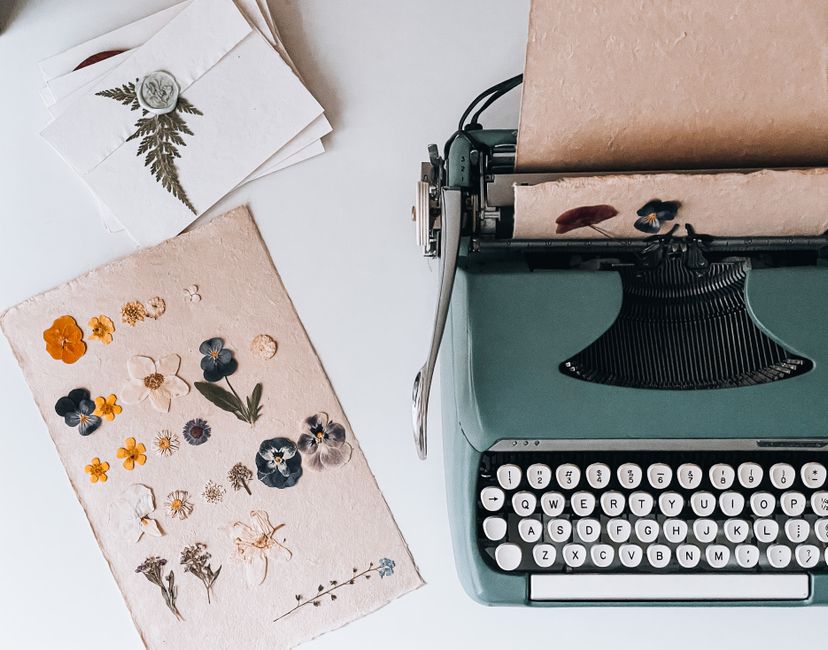
Pressing flowers is one of those crafts that asks almost nothing of you and gives back an unreasonable amount. A handful of clippings, a heavy book, a week of patience, and suddenly you have something that looks like it fell out of a Victorian herbarium. I started pressing flowers the summer I could not bear to throw away the last of the garden roses, and now I have a shoebox full of papery violets, fern fronds, and one very stubborn marigold that refuses to lie flat.
The method is simple. Pick flowers in the morning after the dew has dried but before the heat of the day, when they are at their freshest. Choose blooms that are flat by nature, like pansies, daisies, cosmos, larkspur, and clover. Thick flowers such as roses and peonies are better pulled apart into individual petals. Lay them between two sheets of blotting paper or plain newsprint, place them inside a heavy book, and weight it down. Change the paper after the first day or two to prevent mold, then leave everything alone for two to three weeks.
Framing, Gluing, and Other Small Acts of Devotion
Once your flowers are dry and paper-thin, the fun begins. For framing, arrange them on acid-free paper or a piece of vintage sheet music, then glue them down with a tiny dot of white craft glue applied with a toothpick. A glue stick works too, but it can wrinkle delicate petals. Press the finished arrangement under a book for an hour before framing so everything lies flat. Old wooden frames from thrift shops, painted or left chipped and honest, suit pressed botanicals far better than anything shiny and new.
Handmade cards are the other great use for pressed flowers. A single violet on a cream card with a handwritten note feels more personal than anything you could buy. I also press flowers onto candles by warming the wax slightly and pressing the bloom into it, and I tuck them into the pages of journals and letters. One friend presses a flower from every bouquet her husband brings her and keeps them in a little album labeled by date. That is the whole craft in one sentence, really: keeping what would otherwise be lost.
Labeling, Storing, and a Few Honest Warnings
Label as you go. Write the flower's name and the date on the corner of the paper, because in six months every dried stem will look like every other dried stem. Store finished pieces in a dark, dry place; sunlight will fade them to ghostly brown within a season. Keep them away from damp basements and humid bathrooms, and do not press flowers you intend to eat or use in tea, since the paper and glue are not food-safe.
If you have children, this is a wonderful craft to share. Let them pick the flowers, even the weeds, especially the weeds. A pressed dandelion from a four-year-old, framed and hung in the kitchen, is worth more than any print. And if your first attempt turns brown and crispy, as mine did, press on. The second batch will be better, and by the third you will have a windowsill of small framed summers, which is a very good thing to have.