Thrifted Treasure: Styling a Vintage Kitchen Shelf
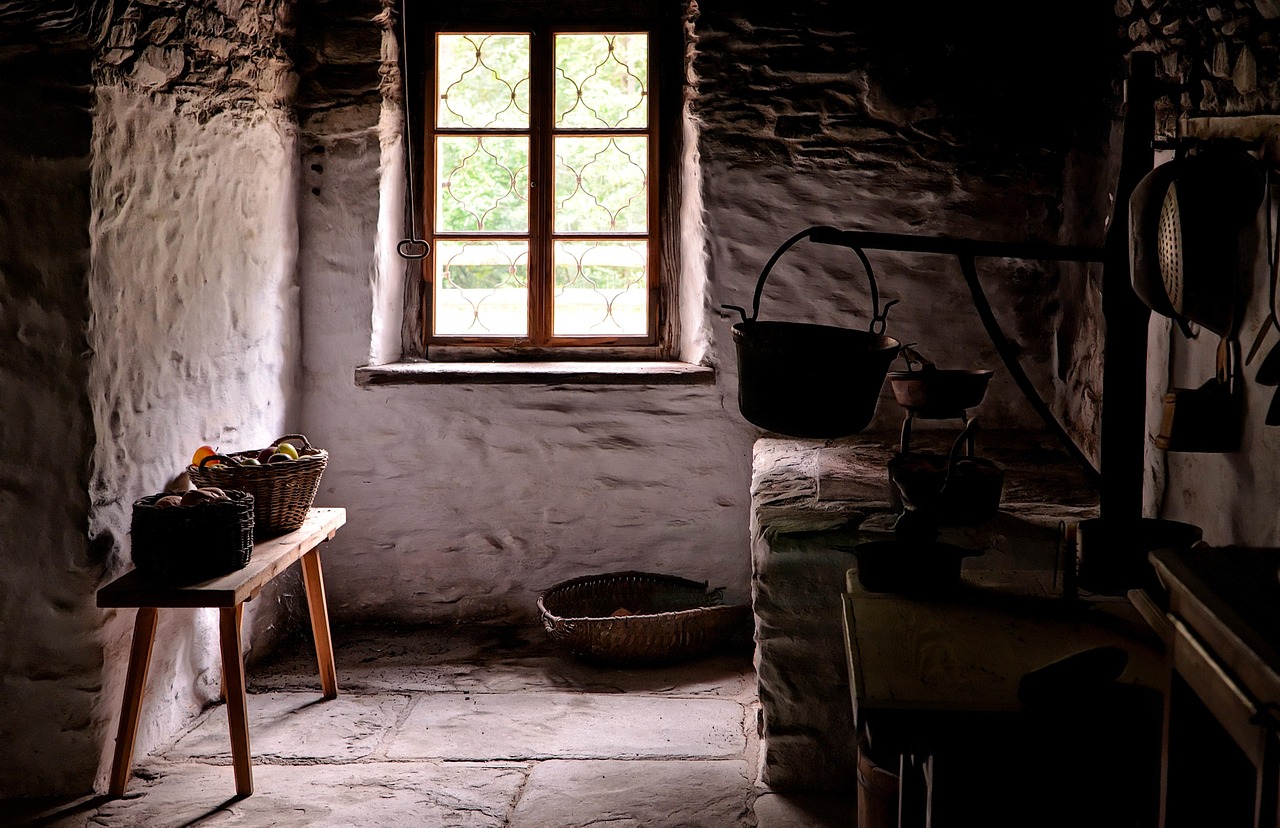
Every cottage kitchen I have ever loved had one thing in common: a shelf that looked like it had been assembled over many years, by many hands, from many Saturday mornings at the flea market. Not styled in the glossy magazine sense, but gathered. A shelf like that tells you something about the people who live there. It says they keep the good jam out where they can see it, they save the pretty tin even though the tea is long gone, and they believe a kitchen should be a little bit cluttered and entirely alive.
The best part is that building such a shelf costs almost nothing. Start with what you already have. That odd teacup from your grandmother, the wooden spoon worn smooth at the handle, the jar of dried beans you bought because the label was charming. These are not filler; they are the foundation. Then add one or two thrifted pieces that make you smile. I am partial to enamel pitchers with rusted rims, small floral plates, and old glass bottles that catch the afternoon light.
The Art of the Gathered Shelf
Arranging is mostly about varying height and texture. Put the tallest item, a pitcher or a stack of cookbooks, at one end, and let the shelf step down from there. Group small things in odd numbers, because three little jars always look better than two. Lean a plate against the wall behind a bowl. Tuck a sprig of dried lavender into a creamer. Leave a little breathing room between clusters, or the whole thing will look like a yard sale rather than a still life.
Color matters too. If your shelf is a jumble of every hue, choose a loose palette: creams and soft greens, or blues and whites, or warm terracotta and honey. It does not need to match, but it should feel like it belongs together. I keep a small basket of vintage linens on my shelf, folded so the embroidery shows, and swap it out with the seasons. In autumn it holds a tiny pumpkin and a jar of cinnamon sticks; in spring, a nest of blown eggs and a handful of daisies.
Living With Your Finds
Here is the secret that magazines rarely tell you: a styled shelf is meant to be used. The bowls should hold fruit. The cups should hold tea. The wooden board should be scarred from actual bread. If you treat your vintage finds as untouchable, the shelf will feel like a museum case, and museums are not cozy. I use my chipped jug for milk every morning, and yes, one day it will break, and I will be sad, and then I will find another one.
Rotate your treasures. Put the blue plates away for a few months and bring out the yellow ones. Move the cookbooks to the bedroom and let the jars have the shelf to themselves. A shelf that never changes becomes invisible, and the whole point is to notice it, to feel a small lift of pleasure every time you reach for the salt. That lift, repeated daily, is what makes a house feel like a home.